As a QA engineer, I’ve tested countless APIs, first by hand and now often with Playwright automation. Tools come and go, but one thing that hasn’t changed is the set of essential API tests I rely on to catch real bugs before the software ships.
An API that simply “works” isn’t good enough. It should also respond predictably, fail clearly, and defend the system against bad data. In this blog, I outline the tests that I make sure to never skip, gleaned from hard-won experience and plenty of bugs found and squashed.
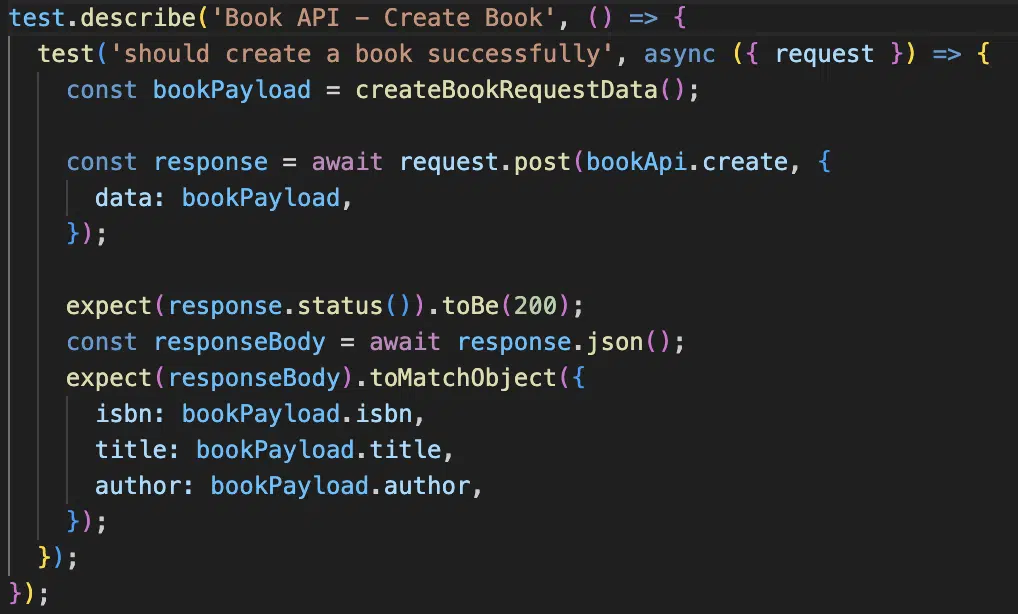
Successful Resource Creation
Your “happy path” must be your most stable path. A valid request should create the resource and return its full details. If this test fails, your endpoint is broken at its core – nothing else matters until this is fixed.
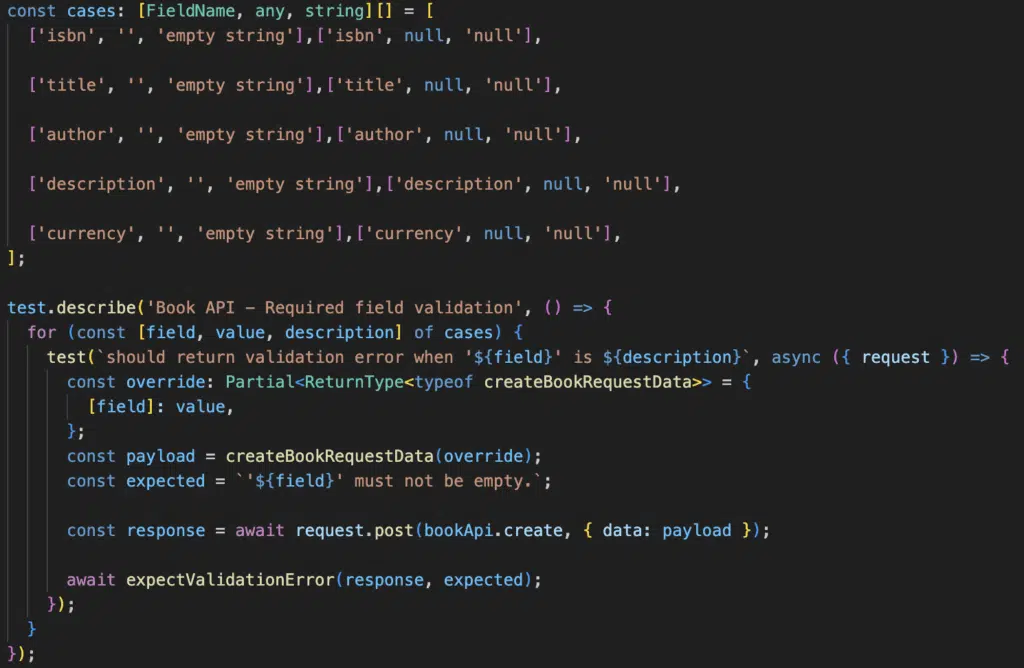
Reject Empty or Null Required Fields
Required fields must be validated. Accepting empty strings or null can lead to inconsistent data or app crashes later.
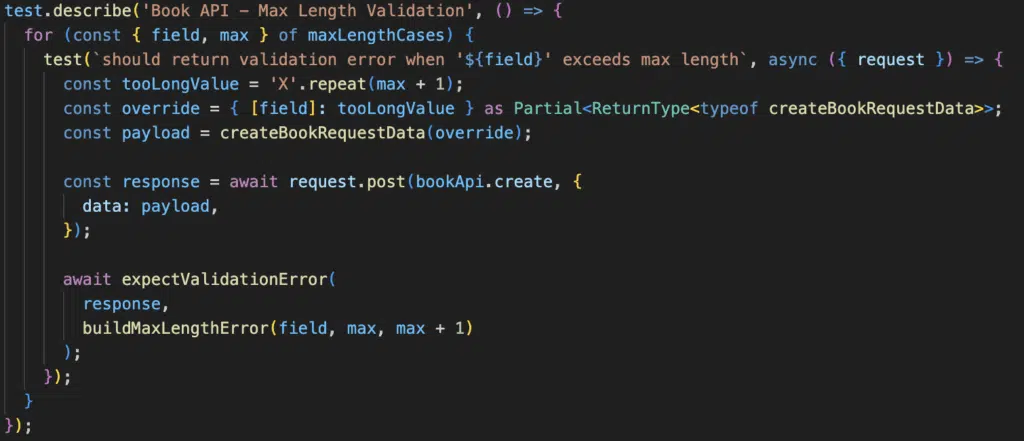
Max Length Constraints
Backend rules (e.g., DB column sizes) should be protected by validation to prevent runtime errors.
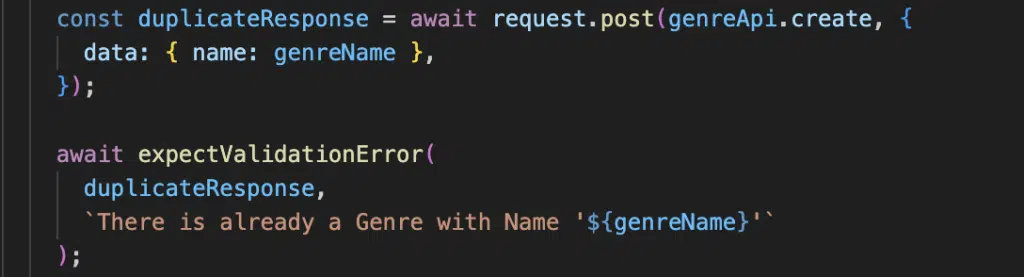
Duplicate Value Prevention
Uniqueness (like name or ISBN) is a common requirement. APIs should clearly block duplicates.
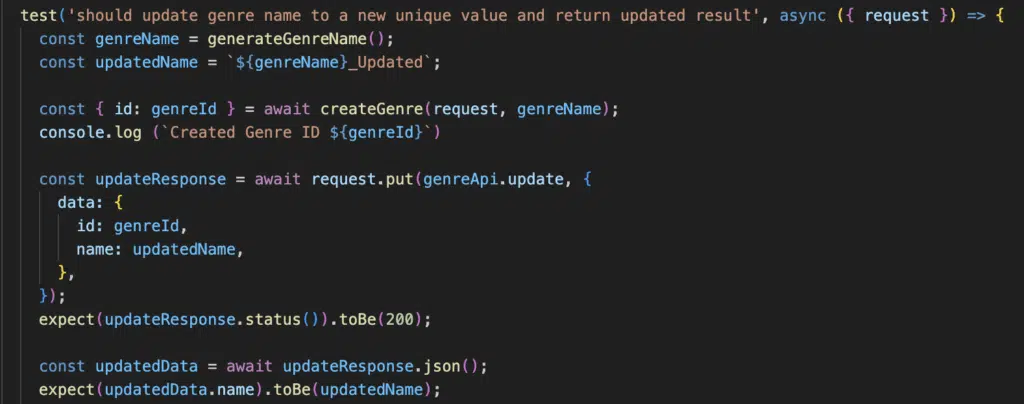
Successful Update with Validation
Updates must not just return 200 – the changes must actually apply and be reflected in the response.
Post-Delete Verification
After a DELETE, we verify the object is no longer available. It’s a simple but powerful check.

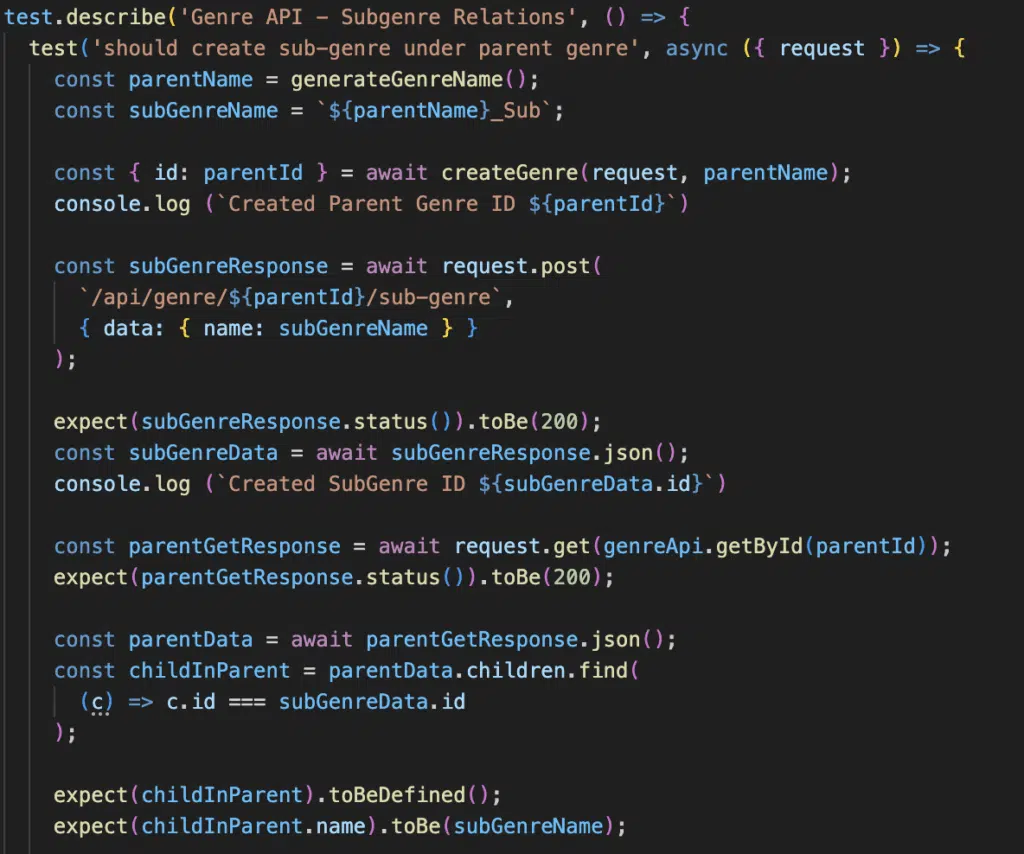
Parent-Child Data Integrity
When your API supports relationships like categories and subcategories, always verify that the child appears under the parent as expected. For example, when creating a sub-genre under a genre, I check that the sub-genre is listed inside the parent’s children array. It’s a small test but it catches big logic issues in how data is linked.
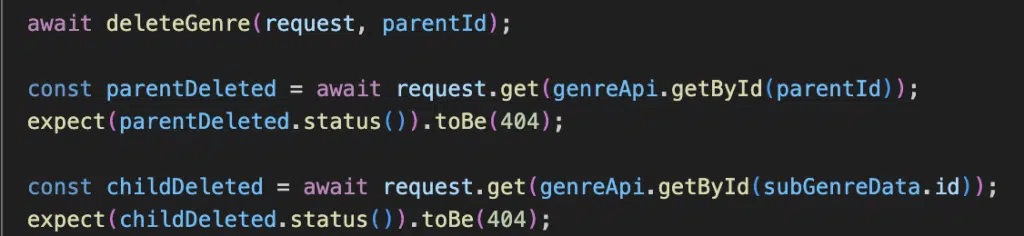
Cascade Deletion (Parent + Children)
When deleting a parent object, its sub-resources should be removed too (if expected). This helps prevent dangling references and hidden data issues.
Conclusion
API testing isn’t just about checking for a 200 status code. It’s about catching edge cases, validating business rules, and ensuring the system handles unexpected input gracefully. The checks in this post are simple but powerful, and they help catch real issues long before they reach production.
If you’re looking to strengthen your API quality or modernize your testing approach, Trailhead can help. Our team builds and tests APIs every day using modern tools and proven patterns. Contact us to see how we can help you build more reliable software, faster.