Trailhead Technology Partners recently undertook a project for a client in the sports nutrition industry. The client approached us with a critical need: to develop a system that would support athletes in identifying supplements that pose anti-doping risks.
Our client recognized that athletes had been using an off-the-shelf software solution, and it was apparent that this generic approach was falling short of their specific requirements and creating usability issues that hindered its effectiveness. Our team at Trailhead recognized this as an opportunity to showcase the value of bespoke software solutions.
We worked closely with the client to understand the nuances of anti-doping regulations, athlete needs, and the complexities of supplement categorization. The result was a tailored application that not only addressed the usability issues present in the off-the-shelf solution but also introduced innovative features specifically designed for athletes and sports nutritionists.
Bespoke Software Tackles Usability Issues
In this project, Trailhead was able to identify and address several key usability issues in the client’s existing off-the-shelf software. Below, I’ve outlined the main problems with the system’s design, interaction, and functionality, along with the custom solutions our team implemented to improve the software. These targeted improvements helped create a more intuitive, user-friendly experience tailored specifically to the needs of athletes and professionals in the sports nutrition industry.
Usability Issue 1: Lack of Design Standards
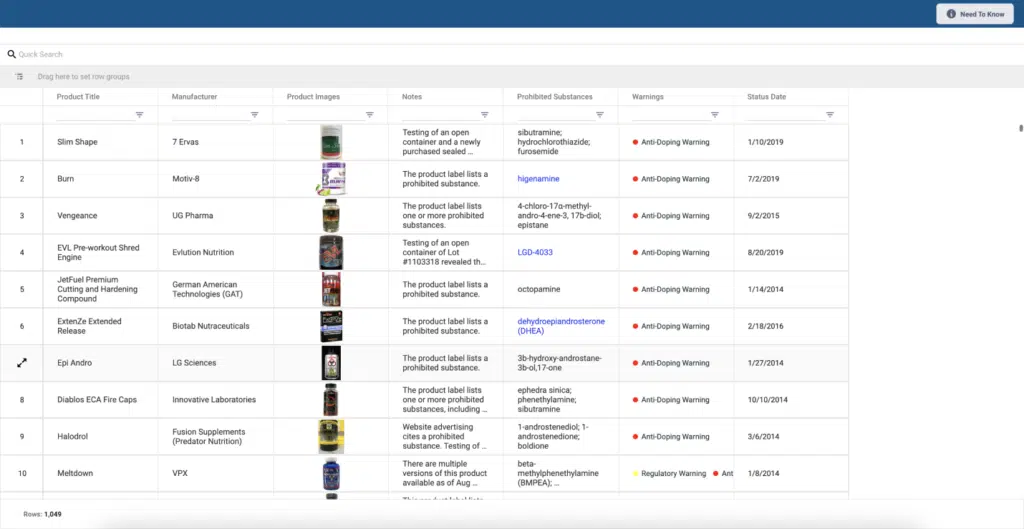
As we delved deeper into the existing software’s shortcomings, several key issues came to light. Chief among these was the lack of cohesive design standards. The lack of established design patterns for multi-page flows and drill-down processes creates a significant cognitive burden for users, making the software challenging to learn and navigate. This inconsistency not only frustrates users but also increases the likelihood of errors and reduces overall efficiency.
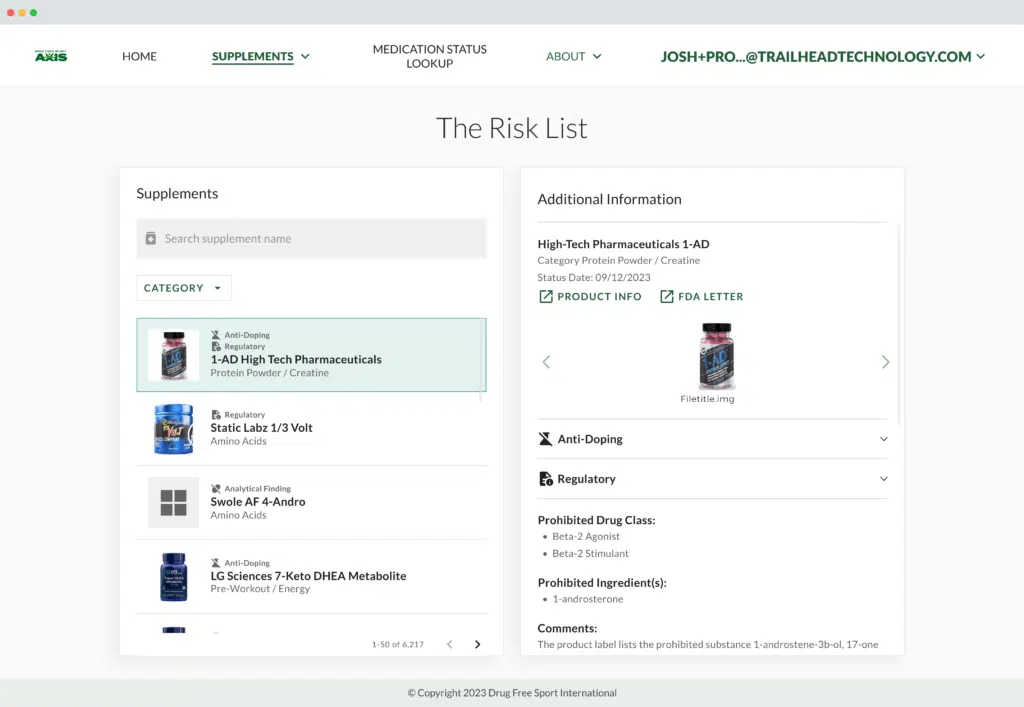
What Trailhead Proposed: A Custom Software Interface with Drill-Down Design Patterns
At Trailhead, we emphasize the importance of maintaining consistent design patterns throughout an application, which not only enhances learnability but also boosts user confidence and adoption rates. By establishing and adhering to clear design standards, we ensure that users can easily transfer their knowledge from one part of the system to another, resulting in a more intuitive and user-friendly experience.
Usability Issue 2: Inconsistent Hover Interactions
This issue primarily violates the heuristic of “Visibility of System Status” and also touches on “Consistency and Standards.” The inconsistent hover interactions across different columns fail to provide clear feedback about which elements are interactive and what actions they perform. The mismatch between the expand icon’s appearance and the actual clickable area (small icon vs. entire row) violates user expectations and the principle of “Match Between System and the Real World.”

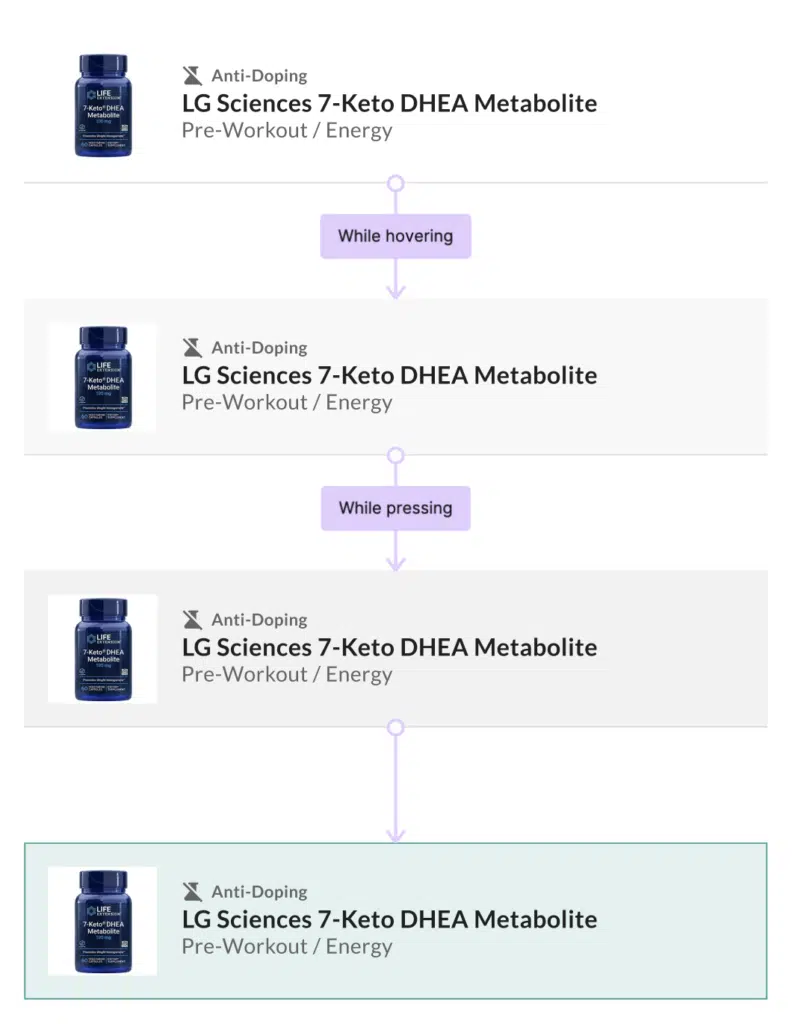
What Trailhead Proposed: Easily Identifiable Interaction States
Trailhead emphasizes the importance of consistent and intuitive interactive elements. We would design a system where hover states clearly indicate all clickable areas, and expand functionality would be applied to the entire row for easier interaction. This approach not only improves usability but also reduces cognitive load, allowing users to navigate the interface more efficiently and confidently.
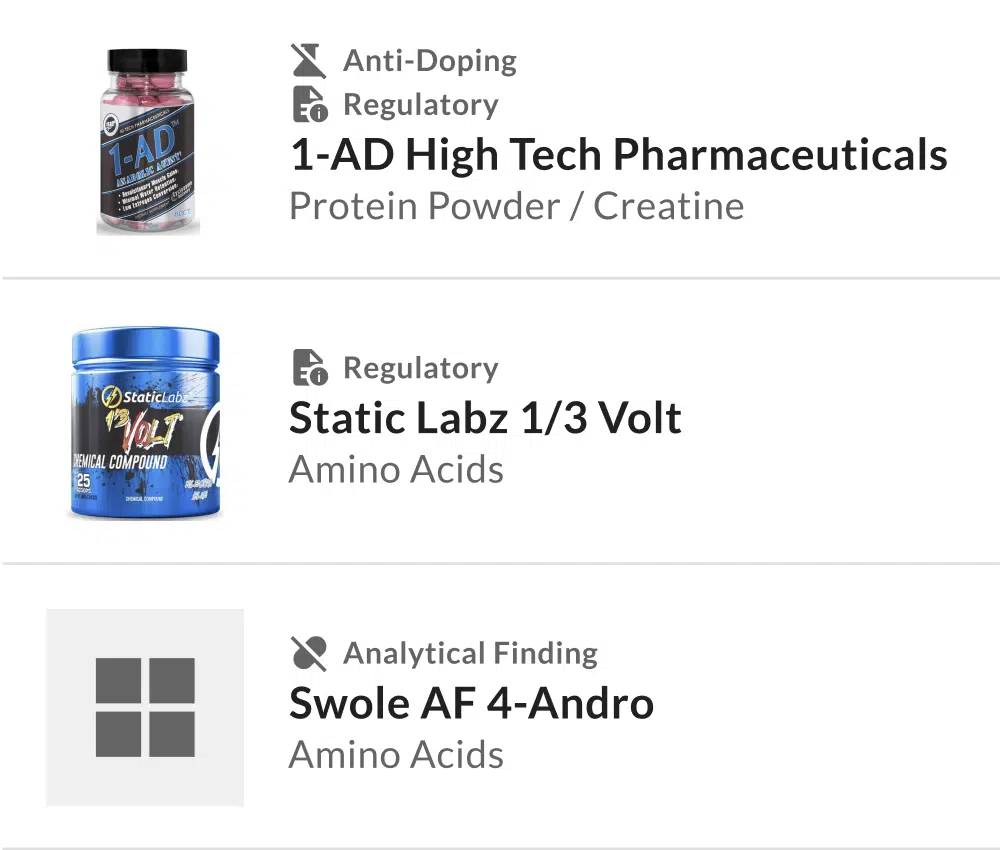
Usability Issue 3: Confusing Warning System
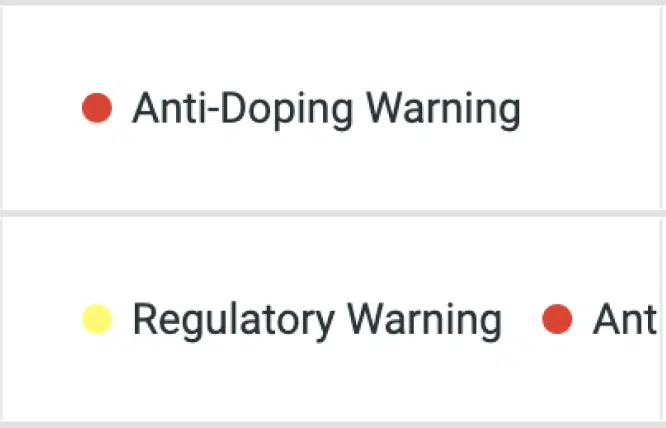
While navigation inconsistencies posed significant challenges, the system’s approach to risk communication proved equally problematic. This issue primarily violates the heuristic of “Match Between System and the Real World.” The use of red and yellow colors for different warning types inadvertently creates a false hierarchy of risk that doesn’t align with the actual severity of the warnings. This misalignment between the visual representation and the real-world meaning can lead to critical misinterpretations and potentially dangerous decisions by users.
What Trailhead Proposed: Software Tailored with Identifiable Warnings
Trailhead emphasizes the importance of clear and accurate information representation. We redesigned this system to use a consistent visual language for warnings of equal severity, possibly using the same color for both types and differentiating them through distinct icons or text labels. This approach ensures that the interface accurately reflects the real-world risks, preventing confusion and promoting informed decision-making by users.
Usability Issue 4: Lack of Filtering Options
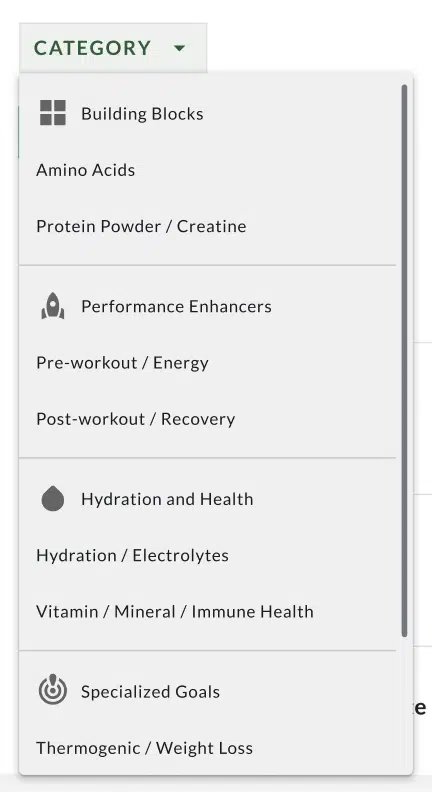
Beyond visual representation issues, the software’s functionality gaps further hindered its effectiveness. This issue violates the heuristic of “Flexibility and Efficiency of Use.” The inability to filter results by category significantly hampers the user’s ability to efficiently navigate and find relevant information, especially when dealing with large datasets. This lack of filtering functionality forces users to manually scan through potentially hundreds or thousands of entries, which is time-consuming and prone to error.
What Trailhead Proposed: Custom Software with Filter Groups Specific to Athletes and Trainers
At Trailhead, we recognize that effective data management and retrieval are crucial for user productivity and satisfaction. In our custom solution for the client, we implemented a robust filtering system that allows users to quickly narrow down results based on various categories such as supplement type, risk level, or specific ingredients. This enhancement not only improved the speed at which athletes and nutritionists could find relevant information but also reduced the cognitive load associated with processing large amounts of data. By incorporating this feature, we demonstrated how custom software can be tailored to specific user needs, dramatically improving usability and efficiency compared to inflexible off-the-shelf solutions.
These identified issues collectively painted a picture of a system struggling to meet user needs. However, they also presented a clear roadmap for improvement—one that Trailhead was eager to navigate.
Delivering a Competitive Edge with Bespoke Solutions
This project exemplifies Trailhead’s core value proposition. While off-the-shelf software can provide a quick fix, it often lacks the flexibility and user-centric design necessary for specialized fields. Our bespoke software solutions not only solve the immediate problems our client faced but also gave them a significant competitive edge in the market. By providing athletes with a more intuitive, accurate, and comprehensive tool for assessing supplement risks, our client was able to position themselves as a leader in promoting safe and compliant athletic performance.
At Trailhead, we emphasize the importance of consistent and intuitive interactive elements, clear and accurate information representation, and efficient data management and retrieval. Our approach ensures that users can easily transfer their knowledge from one part of the system to another, resulting in a more intuitive and user-friendly experience. By addressing each of these usability issues in our custom solution, we dramatically improved the efficiency, accuracy, and user satisfaction of the supplement risk assessment process.
This case study demonstrates how Trailhead’s expertise in creating bespoke software solutions can transform challenges into opportunities for our clients, enabling them to better serve their users and stand out in their industry. Our ability to create custom software applications not only solves our clients’ needs but also gives them a competitive edge in the market.
Contact Trailhead to discuss how we can help create bespoke software solutions for your unique challenges.